
5 Relational Practices That Improve High-Impact Tutoring Outcomes
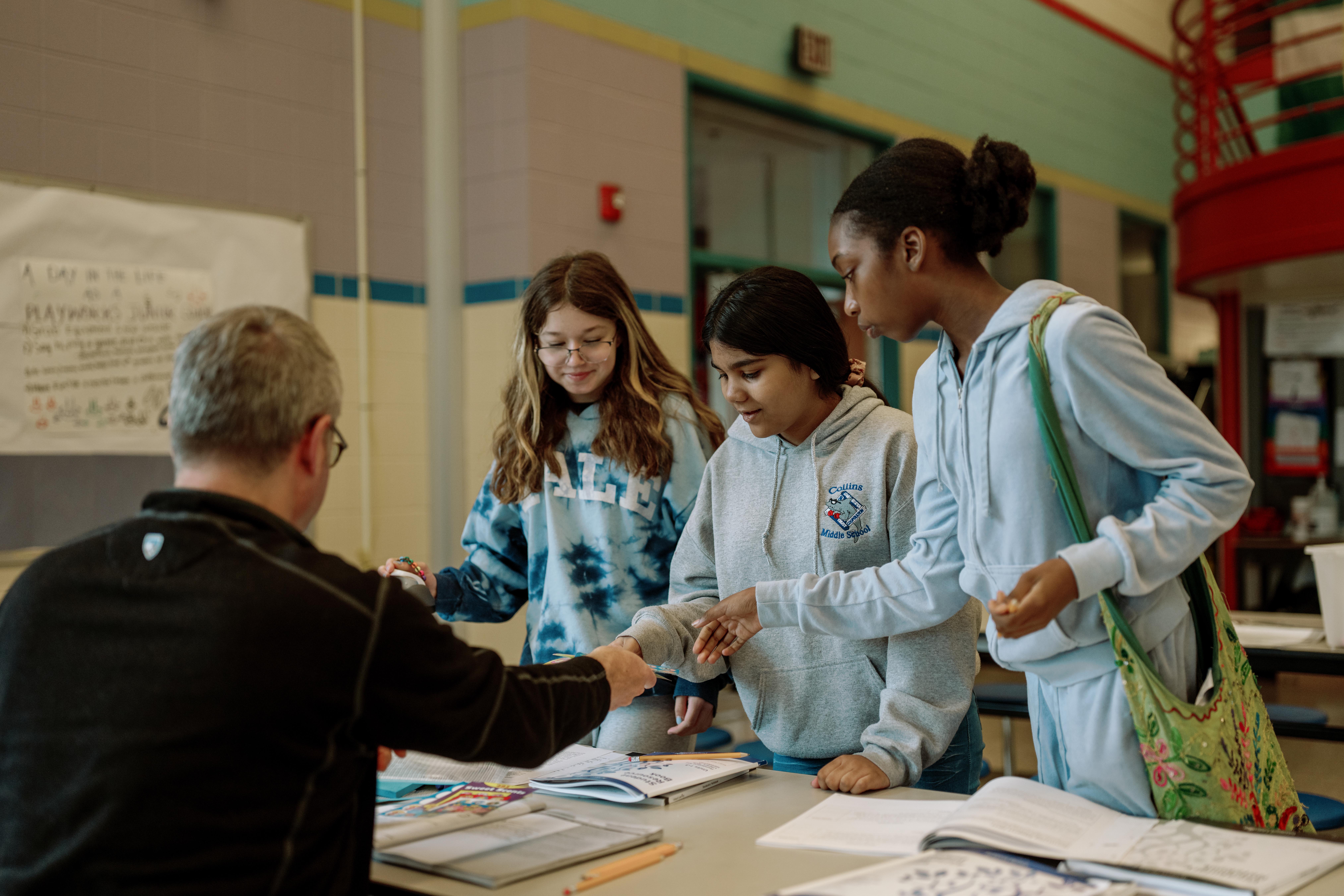
High-impact tutoring is often defined by what happens on paper: how many sessions per week, how small the group, how closely the curriculum aligns to classroom instruction. These elements matter. But ask any experienced tutor what actually makes a student lean in, show up consistently, and push through a hard lesson, and they’ll tell you it comes down to relational tutoring practices — small, repeatable actions built on trust.
At Catapult Learning, we see this every day in our tutoring sessions. The students who make the biggest gains are the ones who trust their tutor and feel seen, supported, and safe enough to take academic risks.
The research backs this up. Decades of studies on adult-student relationships show that connection drives engagement, persistence, attendance, and achievement. And critically, those relationships don’t happen by accident. They’re built through small, consistent, repeatable actions, session after session.
Here are five relational practices that our tutors use and that the research consistently supports.
This article is part 2 of a three-part series breaking down key insights from our new white paper, Beyond Dosage: How Relationships Drive Outcomes in High-Impact Tutoring.
Start with Belonging
Every session begins before the first lesson. The moment a student walks in, they’re already reading the room, asking themselves, consciously or not, whether this is a place where they belong.
Effective tutors answer that question immediately. Greeting students by name, making eye contact, and using warm, authentic nonverbal cues takes seconds but sets the emotional tone for everything that follows. Research shows that positive greetings at the start of a session increase engagement and reduce disruptive behavior, a finding that holds across age groups and settings.
For students who already associate tutoring with struggle or failure, this moment is especially powerful. It signals: you are seen, and you are welcome here.
Connect Before Content
Before instruction begins, effective tutors take a moment to build connection.
That may include:
- Quick emotional check-ins
- Celebrating previous effort
- Brief partner shares
- Goal-setting conversations
This isn’t time taken away from learning. It’s time that makes learning possible. Students who feel psychologically safe are more willing to participate, take risks, and persist when the work gets hard. Students who don’t feel that safety often disengage before the lesson even begins.
In small-group tutoring, this practice does double duty. When students share briefly with one another before diving into content, the group shifts from a collection of individuals to something closer to a learning community, peers who are in it together, not strangers sitting at the same table
Reinforce Positive Behaviors
During instruction, the most effective tutors are intentional about the balance of positive to corrective feedback, aiming for a ratio of five positive interactions for every corrective one.
In tutoring settings, this helps students:
- Stay motivated
- Take academic risks
- Build confidence
- Associate tutoring with success rather than remediation
This doesn’t mean ignoring errors or avoiding high expectations. It means ensuring that feedback lives within a relationship of encouragement. Effort is named. Participation is recognized. Persistence is celebrated, even when the answer is wrong.
This matters most in tutoring, where students often arrive already struggling. Many have experienced repeated academic frustration. If every interaction feels corrective, students begin to experience the session as confirmation of what they already fear about themselves as learners. The 5-to-1 ratio shifts that dynamic. Correction becomes something that happens inside a relationship of trust, not instead of one.
Build Shared Ownership
High-impact tutoring is typically thought of as a relationship between one tutor and one student, or a small group. But relational tutoring extends that thinking to include the peer dynamic within the group itself.
Tutors can create collaborative learning environments where students:
- Work toward shared goals
- Celebrate collective progress
- Encourage one another
This shift has a meaningful effect on motivation. When students see themselves as part of a team, responsible not just for their own learning but for the group’s, engagement increases and stigma decreases. Tutoring stops feeling like something that happens to them and starts feeling like something they’re part of.
End with Impact
How a session ends matters as much as how it begins. Effective tutors close with intention, offering specific, positive farewells that name a student’s effort, growth, or contribution to the group. This reinforces student identity as a capable learner, which is one of the strongest predictors of persistence over time.
Beyond the session itself, brief positive notes home extend the relationship into the student’s broader world. A short message highlighting effort, persistence, or a moment of collaboration does several things at once: it gives the student an indirect compliment they’re likely to hear retold, it strengthens the family’s connection to the tutoring program, and it signals to the student that their tutor is thinking about them beyond the walls of the session.
Wee think of this as one of the lowest-burden, highest-impact practices a tutor can build into their routine. It takes two minutes. The effect can last days.
Relational Tutoring Practices Can Be Scaled
These five practices share three things in common: they are low-burden, high-impact, and embedded, meaning they don’t require extra time or separate programming. They live inside the natural flow of a tutoring session, from the first greeting to the final send-off.
Taken together, they reflect a core belief that guides Catapult Learning’s approach to high-impact tutoring: relationships aren’t a byproduct of good sessions. They’re what make sessions good.
The research is clear on this point. Without strong tutor-student relationships, even well-designed tutoring programs struggle with attendance, engagement, and the persistence needed for meaningful academic growth. With them, the impact compounds, session after session, week after week.
Learn More
Want to go deeper? Download our full white paper, Beyond Dosage: How Relationships Drive Outcomes in High-Impact Tutoring, to explore the research and framework behind these practices.