
Relational Tutoring Strategy: What Three Experts Say Drives Student Outcomes
Dosage matters. Most district leaders already know that. But a strong relational tutoring strategy may be what separates programs that deliver real gains from those that fall short. According to the three experts who joined Catapult Learning’s recent webinar, The Human Element: Why the Tutor-Student Relationship Drives Tutoring Outcomes, the gap often comes down to something less easy to measure: the quality of the human connection between tutor and student.
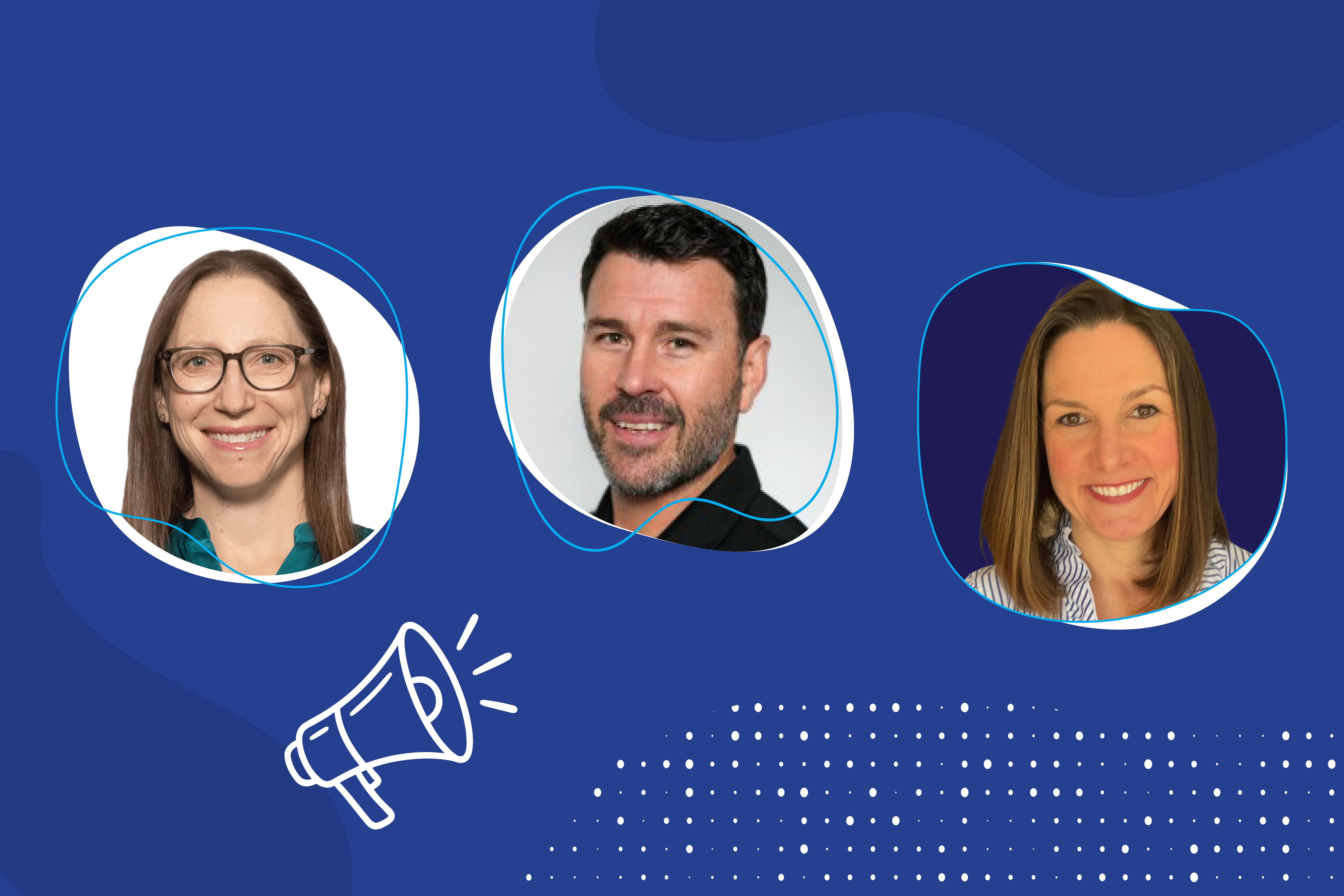
Our panel included:
Devon Wible, VP of Teaching and Learning, Catapult Learning
Liz Cohen, VP of Policy, 50CAN, and author of The Future of Tutoring: Lessons from 10,000 School District Tutoring Initiatives
Dr. Clay Cook, Chief Development Officer, CharacterStrong, and implementation scientist with over 150 peer-reviewed publications
Here’s what they had to say.
The Missing Ingredient in Most Tutoring Programs
When asked what commonly falls short in tutoring programs, all three panelists pointed to the same thing: the intentional, relational piece.
Devon Wible put it directly: districts understand the importance of dosage and program design, but they often miss what it actually takes to build trust on purpose. They know it’s important that kids like their tutors — but what does that actually mean in the science, and how do you implement it intentionally?
Liz Cohen visited 19 schools across 7 states and found that while most programs weren’t originally designed with relationship-building as a core element, it quickly became clear that relationships were driving the success. What she heard from teachers across the country:
- First graders asked constant questions about their tutors between sessions
- Students were proud to share small personal details their tutors had learned about them
- Classroom teachers reported that their kids were more engaged and confident as a result of those tutoring relationships
Students K-12, Cohen observed, are hungry for meaningful connections with adults. The reason they kept showing up to tutoring sessions, again and again, was the relationship.
Dr. Clay Cook framed it in terms of fidelity: adherence and dosage are two dimensions, but the third — quality — is what separates good programs from great ones. When tutors are developmentally responsive and relationally connected, students engage. Outcomes follow.
Trust Is the Gateway to Academic Risk-Taking
When students see the same tutor three to five times a week, something important beWhen students see the same tutor three to five times a week, something important becomes possible: trust. And trust, Devon Wible explained, opens the door to academic risk-taking.
Students who feel safe with their tutor are more willing to try, struggle, and try again. The connection matters because:
- We learn best when we’re making mistakes — but only when we feel safe enough to admit them
- Feedback from a trusted adult lands differently than feedback from a stranger or a screen
- Consistent relationships allow students to build trust faster and maintain it longer
Wible shared a concrete example: a school that rotated tutors due to hiring challenges. The result? Students stopped showing up. Once the school stabilized tutor assignments, attendance and engagement improved — and so did outcomes. The lesson for administrators: who shows up matters as much as how often. It’s one reason a relational tutoring strategy has to be built into program design from the start — not added on after the fact.
What Technology Can’t Automate
In an era where AI and edtech tools are increasingly present in classrooms, the webinar addressed a pointed question: what still requires a human?
Dr. Cook’s answer was clear. Kids need to feel seen, heard, and understood — and that experience can’t be replicated by a machine. He pointed to research on WISE feedback out of Stanford, which shows that high-quality feedback works not just because of its content, but because it comes from someone who has communicated genuine belief in the student’s potential. No algorithm can replicate that.
That finding aligns with emerging research on AI tutoring, which has found that even well-designed AI tools struggle with a fundamental problem: students simply won’t use them consistently. Engagement, it turns out, is relational.
Cohen added important nuance on virtual tutoring: when done with the same consistency, frequency, and relational intention as in-person tutoring, the research shows it is equally effective. The conditions that make it work:
- The same tutor, every session — consistency is non-negotiable
- Regular frequency and appropriate dosage
- A tutor who knows the material and knows the student
Technology, in this model, becomes a delivery mechanism for human connection — not a replacement for it. It expands access for rural schools, hard-to-staff districts, and communities far from university pipelines.
What It Takes to Scale a Relational Tutoring Strategy
For administrators thinking about how to build or grow a tutoring program, the For administrators thinking about how to build or grow a tutoring program, the panelists aligned on what separates districts that scale successfully from those that struggle.
Liz Cohen pointed to two non-negotiables: clarity of purpose and an executive champion. The most effective districts she studied had a unified belief across teachers, administrators, and district leadership about why they were doing tutoring. Louisiana’s statewide approach was one example — clear benchmarks, clear intervention thresholds, and consistent follow-through from the top down.
Dr. Cook offered a practical implementation lens. Before anything else, tutors need to be clear on the specific behaviors they’re expected to carry out. In implementation science, he calls these “the thangs” — the concrete actions that make the vision real:
- Positive greetings as students transition into the session
- Community-building activities that connect before content begins
- Ongoing coaching, modeling, and fidelity monitoring to support tutors in sustaining those behaviors
Devon Wible added that tutoring cannot exist on an island. The connection between tutors and classroom teachers matters. When tutors understand what’s being taught, what’s coming next, and what each student’s strengths and struggles look like across settings, students experience a unified system of support rather than disconnected interventions. See how that connected approach translates to measurable outcomes for students.
The Bottom Line for District Leaders
High-impact tutoring remains one of the most effective academic interventions available — capable of delivering several additional months of learning for students who are behind grade level. But the programs that actually achieve those results treat a relational tutoring strategy not as a nice-to-have, but as a core program element.
Download the White Paper
The Beyond Dosage white paper explores:
- The research behind relational tutoring
- Five high-impact relational practices tutors can implement immediately
- How districts can operationalize relationship-centered tutoring at scale
- Why relationships remain essential in the age of AI tutoring